May 27, 2026
Maintaining the brake systems in vehicles is one of the most critical aspects of ensuring road safety. This responsibility holds utmost importance as brakes are pivotal in controlling the speed and stopping power of a vehicle. When neglected, brake problems can compound over time, turning minor issues into major safety hazards. In this article, we will explore why timely brake repair is not just a recommendation but a necessity to prevent dangerous driving conditions. Staying proactive with maintenance can help drivers avoid preventable accidents and expensive repairs. A properly functioning brake system provides confidence and control behind the wheel.
Recognize How Brake Problems Affect Vehicle Performance
Failing brakes adversely impact a vehicle's overall performance and safety. When the brake system begins to degrade, it can lead to increased stopping distances, reducing a driver's ability to respond quickly to road hazards. For instance, worn brake pads can cause vibrations or squealing noises, signifying the need for immediate attention. Frequent inspections are essential, as stopping power is significantly diminished with failing brakes, increasing the potential for collisions. Drivers may also notice pulling to one side when braking, which can indicate uneven wear or mechanical issues. Addressing these warning signs early helps preserve vehicle reliability and road safety.
Moreover, neglected brakes can affect other vehicle components, like the suspension system, due to excessive strain. Over time, this can lead to uneven tire wear, affecting handling and stability. The hydraulic system, too, could experience leaks, causing a mushy pedal feel and jeopardizing stopping reliability. These issues collectively contribute to a compromised driving experience and heightened risk on the road. Ignoring brake problems often creates a chain reaction that impacts multiple systems within the vehicle. Routine inspections help identify these concerns before they lead to more costly repairs.
According to Gitnux, an online market research resource, brake repair services make up nearly 25% of all auto repairs each year, emphasizing their prevalence and necessity. This statistic underscores the importance of addressing brake issues promptly to maintain optimal vehicle performance. Regular maintenance and seeking professional advice upon noticing brake troubles are crucial steps for all vehicle owners. Proactive management of brake health is imperative to sustaining both vehicle performance and passenger safety. Consistent maintenance also improves the lifespan of brake components and minimizes unexpected failures. Investing in preventive care can save drivers both time and money over the long term.
Understand the Risks of Driving With Faulty Brakes
Driving with faulty brakes poses severe risks that can lead to catastrophic consequences. One of the major threats is the increased likelihood of accidents due to the compromised ability to stop or slow down effectively. As the primary safety feature in a vehicle, the braking system’s reliability is paramount to avoid collisions. Failing brakes can compromise reaction times during emergencies, making it difficult for drivers to avert accidents. Even a brief delay in stopping can dramatically increase the severity of a crash. Maintaining brake performance is essential for responding effectively to changing road conditions.
Additionally, the unpredictability of faulty brakes can also induce driver panic, exacerbating risky situations. This unpredictability can manifest through brake fading during steep descents or the complete failure of the braking system in critical moments. Such scenarios can lead to serious injuries or fatalities in severe cases. Consequently, understanding the risks associated with subpar brake performance is essential to emphasize the importance of timely brake repairs. Drivers who stay aware of brake warning signs can take action before dangerous situations occur. Preventive maintenance reduces uncertainty and promotes safer driving habits.
Furthermore, defective brakes can result in costly liabilities such as insurance claims or legal issues following an accident. Repair costs can significantly rise when initial minor brake issues have escalated to major mechanical failures. Hence, drivers must recognize the signs of faulty brakes and take immediate corrective measures. The cumulative effect of these risks highlights the necessity of addressing brake maintenance proactively to ensure road safety. Delaying service appointments can often lead to more extensive repairs and vehicle downtime. Prioritizing your brakes protects both financial investments and personal safety.
Follow Recommended Brake Inspection Schedules
The frequency of brake inspection and servicing depends on various factors like vehicle type, usage, and environmental conditions. However, a general recommendation is to have brakes inspected every six months or during routine oil changes to identify any underlying issues. Regular inspections help catch early signs of wear and tear, allowing for timely interventions before they escalate into serious problems. Periodic brake checks and maintenance are key to maintaining consistent braking performance. Drivers who frequently travel in heavy traffic or mountainous terrain may require more frequent inspections. Following a maintenance schedule improves long-term vehicle dependability.
Manufacturers often provide specific guidelines for brake inspections based on the make and model of the vehicle. Adhering to these service schedules ensures that the brake system functions optimally throughout its lifespan. Generally, brake pad replacement should occur every 20,000 to 60,000 miles, depending on driving habits and conditions. Drivers should remain vigilant for signs of wear, such as unusual noises or reduced responsiveness, indicating the need for immediate inspection. Paying attention to manufacturer recommendations helps prevent avoidable wear and system failures. Consistent service intervals contribute to safer and more efficient driving experiences.
Regular servicing is also crucial in ensuring the hydraulic brake fluid is in good condition to guarantee effective braking. Flushing and replacing brake fluid every two to three years prevents contamination that could impair braking performance. These routine services play a pivotal role in prolonging brake lifespan and minimizing repair costs in the long run. Ultimately, frequent inspections and adherence to service intervals are vital for sustaining safe driving conditions. Clean brake fluid supports reliable pressure distribution throughout the braking system. Keeping fluids and components in optimal condition improves overall vehicle responsiveness.
Practice Proper Brake Maintenance Habits
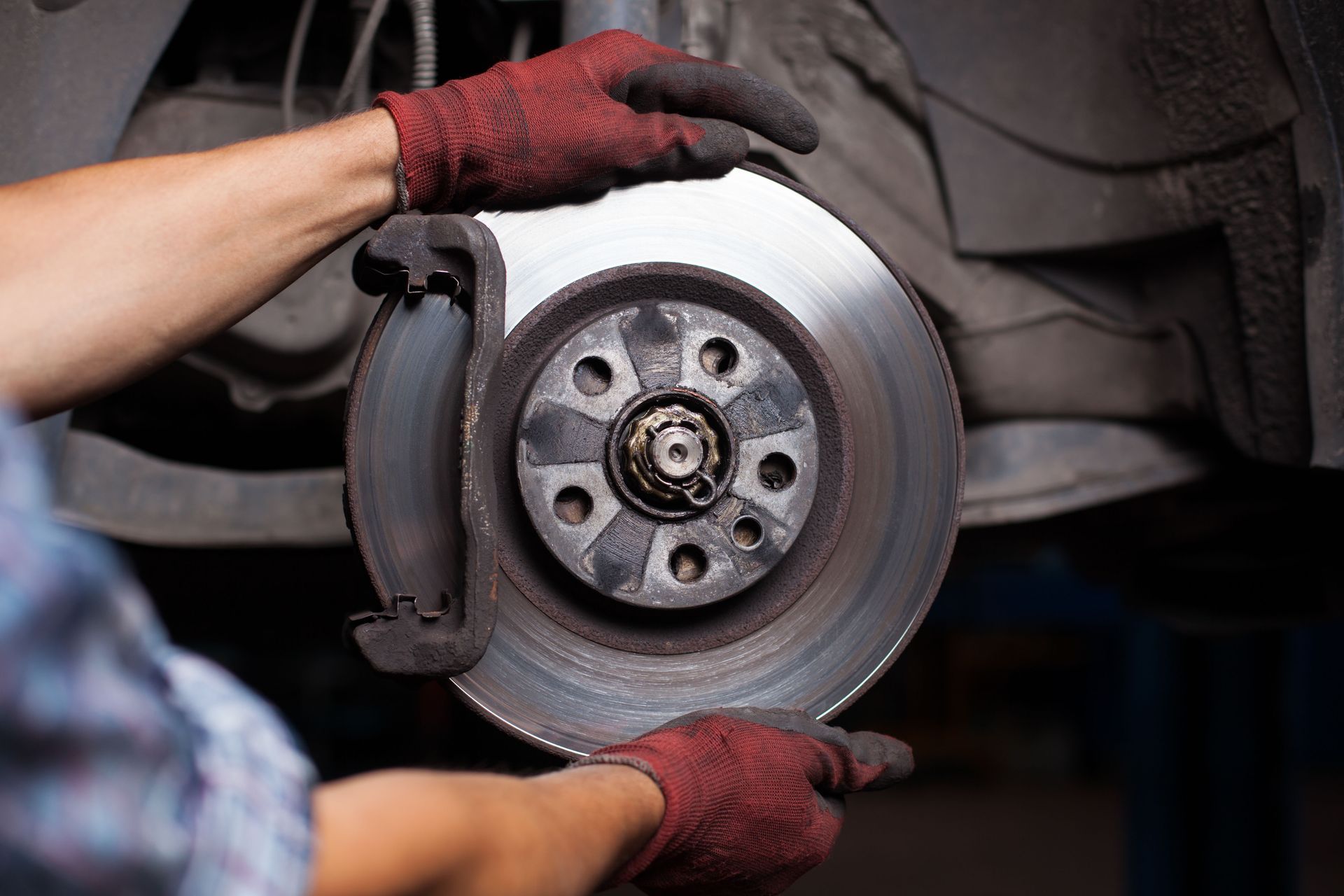
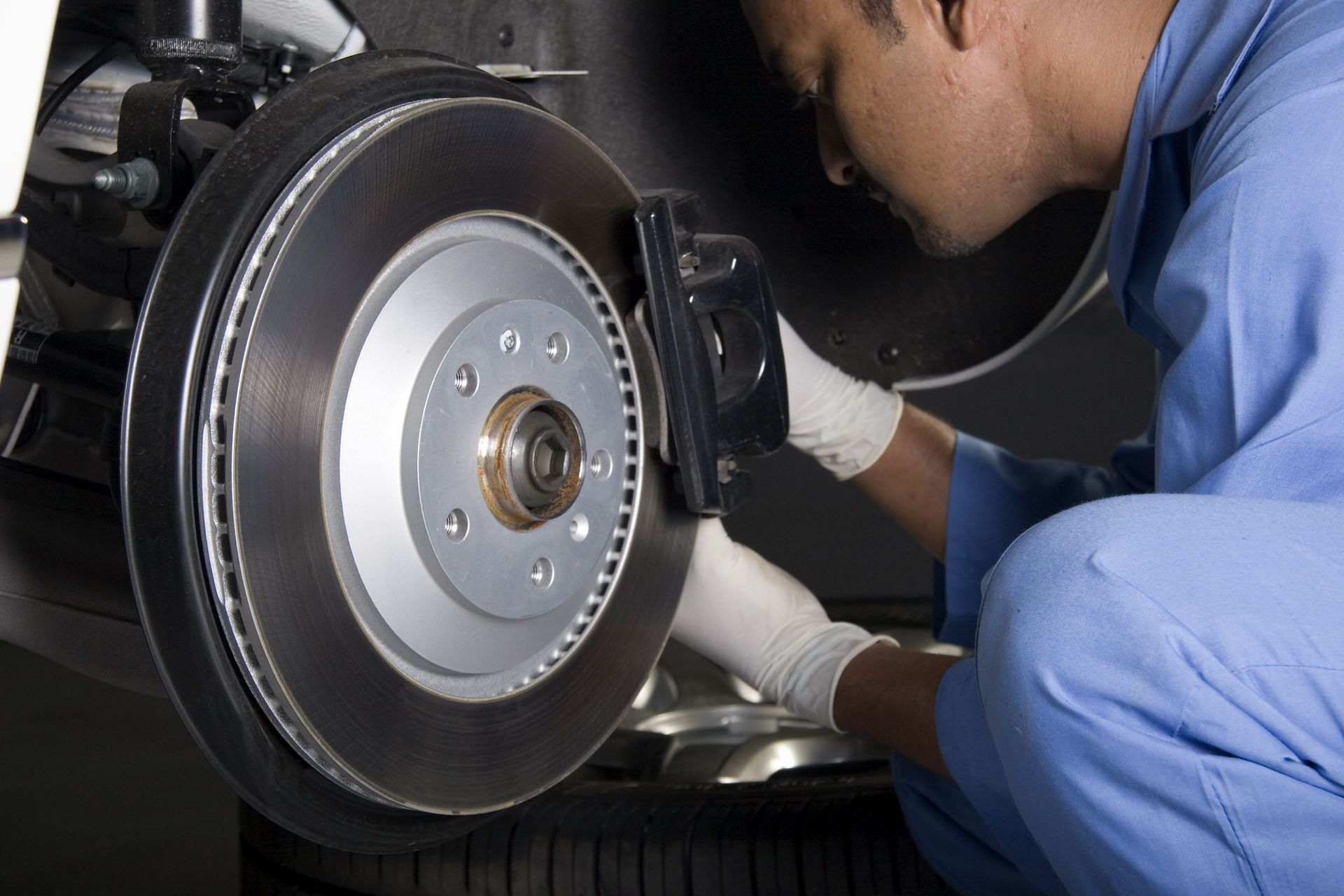
Proper brake maintenance encompasses a series of systematic checks and interventions to ensure the braking system's reliability. The first step involves regular brake pad inspections, which are vital to detect wear patterns or degradation that necessitate replacement. Additionally, assessing the rotor conditions for any warping or grooves is paramount, as it ensures smooth and efficient braking. Consistent evaluation of brake components allows for timely replacements before extended damage occurs.
Another critical element of brake maintenance is monitoring brake fluid levels and quality. The fluid needs periodic checks to ensure there's no moisture accumulation or contamination, as this could impair braking effectiveness. Regularly inspecting brake lines for cracks or leaks can prevent potential hydraulic failures, maintaining the system’s integrity. Ensuring fluid levels remain adequate and uncontaminated is key to preserving the brakes' functioning and safety.
Finally, maintaining proper tire conditions works hand-in-hand with brake efficiency, enhancing overall vehicle stability during braking. Ensuring tires are inflated to the recommended pressure and have sufficient tread depth directly impacts stopping distance. Proper alignment and balance considerations can also prevent undue stress on the braking system, preserving its longevity. Collectively, these comprehensive maintenance practices contribute to the reliability, safety, and performance of the braking system.
Timely brake repair is critical in preventing hazardous driving conditions and ensuring the safety of both the driver and passengers. Neglecting your brakes leads to deteriorating performance and escalated risks, ultimately posing severe threats to road safety. Vehicle owners must embrace proactive measures, regularly inspecting and servicing brakes to sustain vehicle performance. Prioritizing brakes aligns with promoting safety, preserving lives, and optimizing repair costs in the long run. Consistent attention to brake maintenance helps drivers stay prepared for unexpected situations on the road. Reach out to OCD Fab & Performance to learn more about our services today.