October 1, 2026
Regular vehicle maintenance is essential for preserving safety, efficiency, and long-term reliability. Understanding the services available at a professional auto repair shop helps drivers recognize potential problems and make informed maintenance decisions. From routine oil changes to transmission inspections, preventive care reduces unnecessary wear and helps prevent unexpected breakdowns. According to Gitnux, about 20% of auto repairs are caused by improper maintenance or neglect. Following manufacturer-recommended service schedules can help vehicle owners avoid expensive repairs while maintaining dependable transportation.
Oil Changes and Engine Lubrication
Regular oil changes protect engine components by removing contaminated oil and replacing it with fresh lubricant. Engine oil reduces friction, regulates operating temperatures, and helps prevent premature wear. Over time, oil accumulates dirt, combustion byproducts, and other contaminants that reduce its effectiveness. Neglecting oil changes can contribute to overheating, decreased performance, and serious engine damage. Consistent lubrication also supports smoother engine operation during everyday driving.
Different engines require specific oil formulations and viscosity grades. Conventional oil may suit certain older vehicles, while synthetic oil offers improved resistance to extreme temperatures and oxidation. A qualified auto repair shop can recommend the appropriate oil based on manufacturer specifications, vehicle age, and driving conditions. Oil change intervals also depend on operating conditions, including frequent short trips, extreme temperatures, and heavy towing. Drivers should follow their owner's manual and monitor dashboard maintenance reminders.
Tire Inspections and Pressure Maintenance
Tires directly influence vehicle handling, braking performance, and fuel efficiency. Routine inspections should identify uneven tread wear, sidewall damage, embedded objects, and improper inflation. Underinflated tires generate excessive heat and experience accelerated wear, while overinflation can reduce traction and ride comfort. Drivers should check tire pressure when tires are cold and follow the specifications displayed on the vehicle's door placard. Monthly pressure checks help identify gradual air loss before handling deteriorates.
Regular tire rotation distributes wear more evenly and can extend tire life. Wheel balancing corrects uneven weight distribution that causes vibrations, particularly at highway speeds. Many manufacturers recommend tire rotations approximately every 5,000 to 8,000 miles, although individual requirements vary. Tires should be replaced when tread reaches the legal minimum depth of 2/32 inches or when significant structural damage develops. Seasonal tire selection also deserves consideration in regions experiencing snow, ice, or extreme temperatures.
Wheel Alignment and Suspension Inspections
Proper wheel alignment supports predictable handling and prevents uneven tire wear. Potholes, curb impacts, and worn suspension components can alter alignment angles. Warning signs include an off-center steering wheel, uneven tread wear, and a vehicle pulling toward one side. Technicians can inspect steering and suspension components before making necessary adjustments. Addressing alignment problems promptly helps preserve tires and improves overall driving stability.
Suspension inspections also involve examining shocks, struts, bushings, and ball joints for deterioration. Worn components may contribute to excessive bouncing, unusual noises, and reduced steering responsiveness. Drivers experiencing these symptoms should schedule an inspection at a professional auto repair shop. Routine evaluations help maintain comfortable handling while preventing additional stress on surrounding mechanical components. Replacing damaged suspension parts when necessary also supports proper tire contact with the road.
Brake System Inspections and Repairs
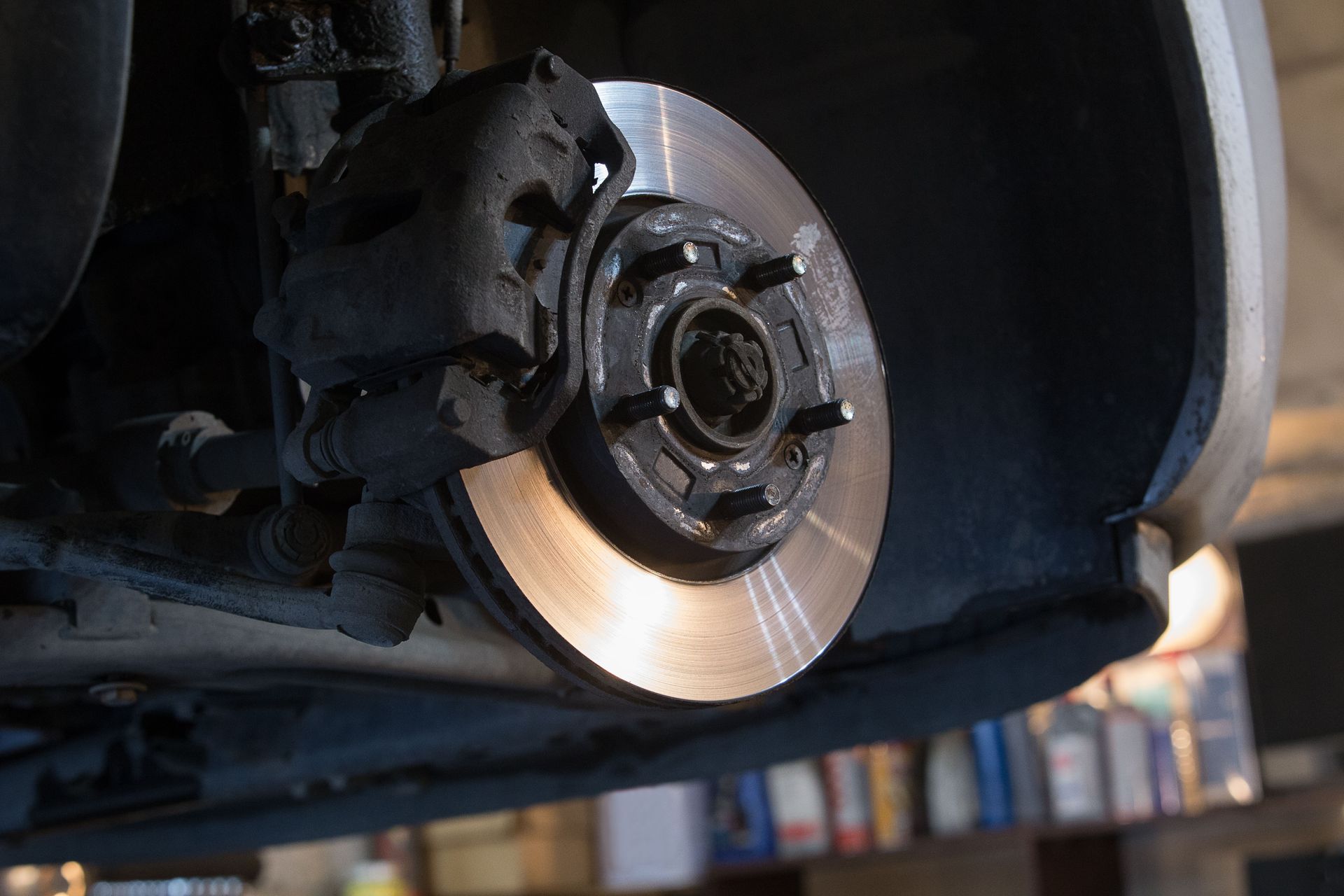
A dependable braking system is essential for controlling a vehicle and preventing accidents. Common warning signs include squealing noises, grinding sounds, pedal vibrations, and increased stopping distances. During an inspection, technicians examine brake pads, rotors, calipers, hydraulic lines, and related components. An experienced auto repair shop can identify excessive wear and recommend appropriate repairs before minor problems develop into significant safety concerns. Regular inspections are especially important for vehicles frequently driven in heavy traffic.
Brake fluid transfers hydraulic pressure throughout the braking system. Because many formulations absorb moisture over time, periodic testing and replacement help maintain reliable operation. Manufacturers specify different replacement intervals, making the owner's manual an important reference. Anti-lock braking systems also require attention when dashboard warning lights illuminate. Technicians can examine wheel-speed sensors, electrical connections, and hydraulic components to identify malfunctions that could affect emergency braking performance.
Battery Testing and Electrical Maintenance
Vehicle batteries typically last three to five years, depending on climate, driving habits, and electrical demands. Slow engine cranking, dim headlights, and repeated jump-starts may indicate declining battery performance. Routine inspections include testing battery capacity, cleaning terminals, and examining electrical connections. Technicians should also evaluate alternator output and charging-system performance when battery problems persist. Addressing electrical issues early helps prevent unexpected starting failures and interruptions to essential vehicle systems.
Functional headlights, brake lights, turn signals, and interior lighting contribute to safe driving. Electrical problems may result from damaged wiring, defective switches, blown fuses, or failing control modules. Professional diagnostic equipment helps technicians identify underlying faults rather than unnecessarily replacing functioning components. Regular lighting inspections are particularly important before extended road trips or periods of reduced visibility. Drivers should also address intermittent electrical problems before they affect essential vehicle functions.
Cooling System and HVAC Maintenance
The engine cooling system regulates operating temperatures and protects critical components from overheating. Routine maintenance includes inspecting the radiator, coolant reservoir, thermostat, hoses, and water pump. Coolant replacement intervals depend on manufacturer specifications and the formulation used. A professional auto repair shop can also inspect air conditioning components, cabin filters, and heating systems to maintain comfortable interior temperatures throughout the year. Seasonal inspections can reveal deteriorating hoses and other components before extreme weather arrives.
Coolant puddles, unusual odors, fluctuating temperature gauges, and visible steam may indicate cooling-system problems. Drivers should avoid continuing to operate vehicles experiencing severe overheating. Similarly, weak airflow, unusual ventilation noises, and inconsistent cabin temperatures can indicate HVAC malfunctions. Prompt diagnosis helps prevent additional damage while restoring dependable heating and cooling performance. Maintaining proper coolant levels and addressing leaks early can also help protect the engine from expensive mechanical failures.
Transmission Fluid and Drivetrain Maintenance
Transmission fluid lubricates internal components, supports hydraulic operation in applicable transmissions, and helps regulate operating temperatures. Fluid deterioration or insufficient levels can contribute to rough shifting, overheating, and premature component wear. Maintenance requirements vary considerably between automatic, manual, and continuously variable transmissions. A qualified auto repair shop can inspect fluid condition, identify leaks, and perform manufacturer-recommended services using the correct fluid specification.
Delayed engagement, slipping gears, grinding noises, and unusual vibrations may indicate developing transmission or drivetrain problems. Technicians can inspect clutch assemblies, driveshafts, universal joints, and constant-velocity joints when applicable. Transmission flushing is not appropriate for every vehicle, so fluid replacement procedures should follow manufacturer guidance. Early diagnosis can help prevent additional mechanical damage and preserve reliable power delivery. Drivers should also avoid ignoring unusual shifting behavior or persistent drivetrain vibrations.
Developing a Preventive Maintenance Schedule
Consistent maintenance involves more than responding to dashboard warning lights. Vehicle owners should maintain service records, monitor fluid levels, and schedule inspections according to mileage, age, and driving conditions. Working with a reliable auto repair shop provides access to professional diagnostics and maintenance recommendations tailored to individual vehicles. Keeping detailed service records can also demonstrate responsible ownership when selling or trading in a vehicle. Digital maintenance reminders can help drivers avoid overlooking important service appointments.
Preventive maintenance schedules should account for individual driving habits and environmental conditions. Vehicles frequently exposed to heavy traffic, dusty roads, or extreme temperatures may require more frequent inspections. Drivers should review manufacturer recommendations and adjust their maintenance routines when operating conditions change. Tracking completed services also helps identify recurring mechanical problems and prevents unnecessary maintenance. A consistent approach supports reliable transportation while reducing the likelihood of unexpected breakdowns.
Long-term reliability depends on addressing minor concerns before they become major mechanical failures. Drivers should regularly inspect their vehicles, maintain accurate service records, and respond promptly to unusual operating conditions. Combining professional inspections with responsible driving habits can reduce unnecessary wear and extend component life. By prioritizing preventive maintenance and following manufacturer recommendations, vehicle owners can reduce unexpected repair expenses and maintain confidence in their transportation. Contact our team at OCD Fab & Performance today and learn more about our auto repair services.