August 31, 2026
When your vehicle develops a problem, knowing what to expect from an auto repair shop can make the experience more straightforward. Professional automotive service involves more than replacing a damaged component or addressing a warning light. A qualified team typically evaluates the vehicle, identifies the underlying concern, explains the recommended work, and completes necessary repairs. Understanding this process can help vehicle owners make informed decisions about maintaining reliable transportation.
Reviewing Your Vehicle’s Condition
A professional service visit generally begins with an assessment of the vehicle. Technicians may review the driver's concerns, examine the vehicle's systems, and look for symptoms that could indicate a mechanical or electrical problem. This initial evaluation helps establish a clearer picture of the vehicle's current condition. The information gathered during this stage can guide the diagnostic process and determine which areas require closer attention.
Vehicle problems can sometimes produce symptoms that have several possible causes. A warning light, unusual noise, vibration, or performance change does not necessarily identify one specific failed component. An auto repair shop can use diagnostic equipment and professional experience to investigate these symptoms systematically. This approach helps technicians focus on the underlying issue rather than simply addressing the most obvious symptom.
Diagnosing Mechanical Problems
Accurate diagnosis is an important part of professional automotive service. Technicians may evaluate engine components, electrical systems, braking components, suspension parts, steering systems, transmissions, and other vehicle systems depending on the reported symptoms. Diagnostic testing can help identify faults that may not be visible during a basic inspection. The scope of testing depends on the vehicle and the nature of the problem.
A thorough diagnostic process can also help prevent unnecessary repairs. Once technicians understand how the affected components are functioning, they can determine which parts are contributing to the problem. An auto repair shop can then develop a repair recommendation based on those findings. This gives the vehicle owner a clearer understanding of why particular services may be necessary.
Explaining Recommended Repairs
Clear communication is an important part of the repair experience. After evaluating the vehicle, technicians can explain what they found and describe the recommended services. This may include identifying damaged components, worn systems, or conditions affecting vehicle performance. Understanding the reason for a repair can help owners make informed decisions about their vehicles.
Professional explanations should address the relationship between the observed symptoms and the recommended work. Owners may also have questions about how a particular repair affects other vehicle systems. An auto repair shop can provide information about the purpose of the service and the expected outcome. This communication helps establish a clearer understanding before work begins.
Servicing Routine Maintenance Needs
Not every visit to an auto repair shop involves a major mechanical failure. Routine maintenance plays an important role in keeping vehicles operating properly. Depending on the vehicle's requirements, maintenance may include services involving fluids, filters, belts, brakes, batteries, tires, or other components. Regular attention can help identify developing concerns before they become more disruptive.
Maintenance needs vary according to vehicle age, mileage, driving conditions, manufacturer recommendations, and previous service history. Technicians can evaluate these factors when discussing the vehicle's current needs. They can also identify components that may require attention based on their condition. This creates an opportunity to address maintenance as part of a broader vehicle care strategy.
Addressing Brake and Suspension Concerns
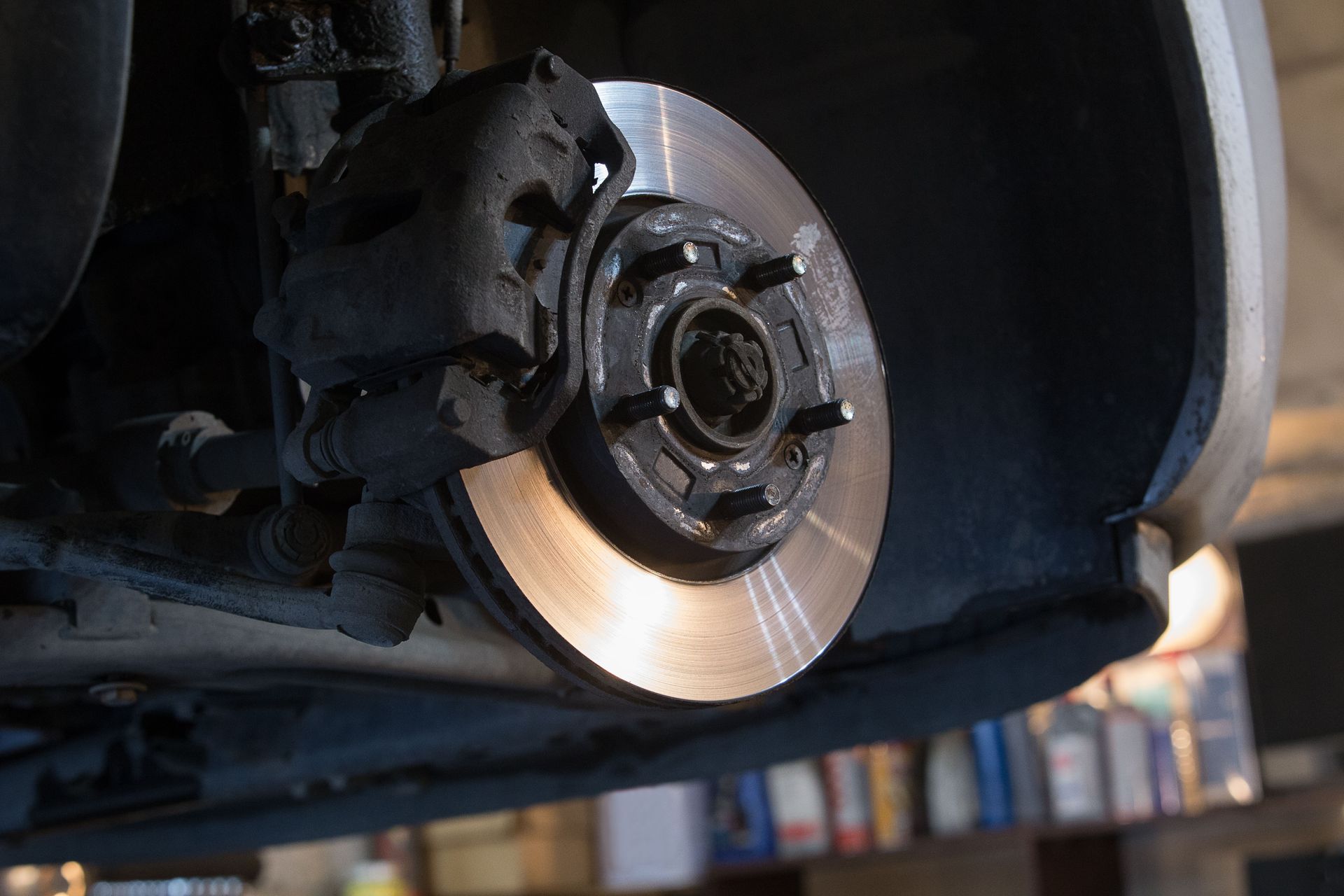
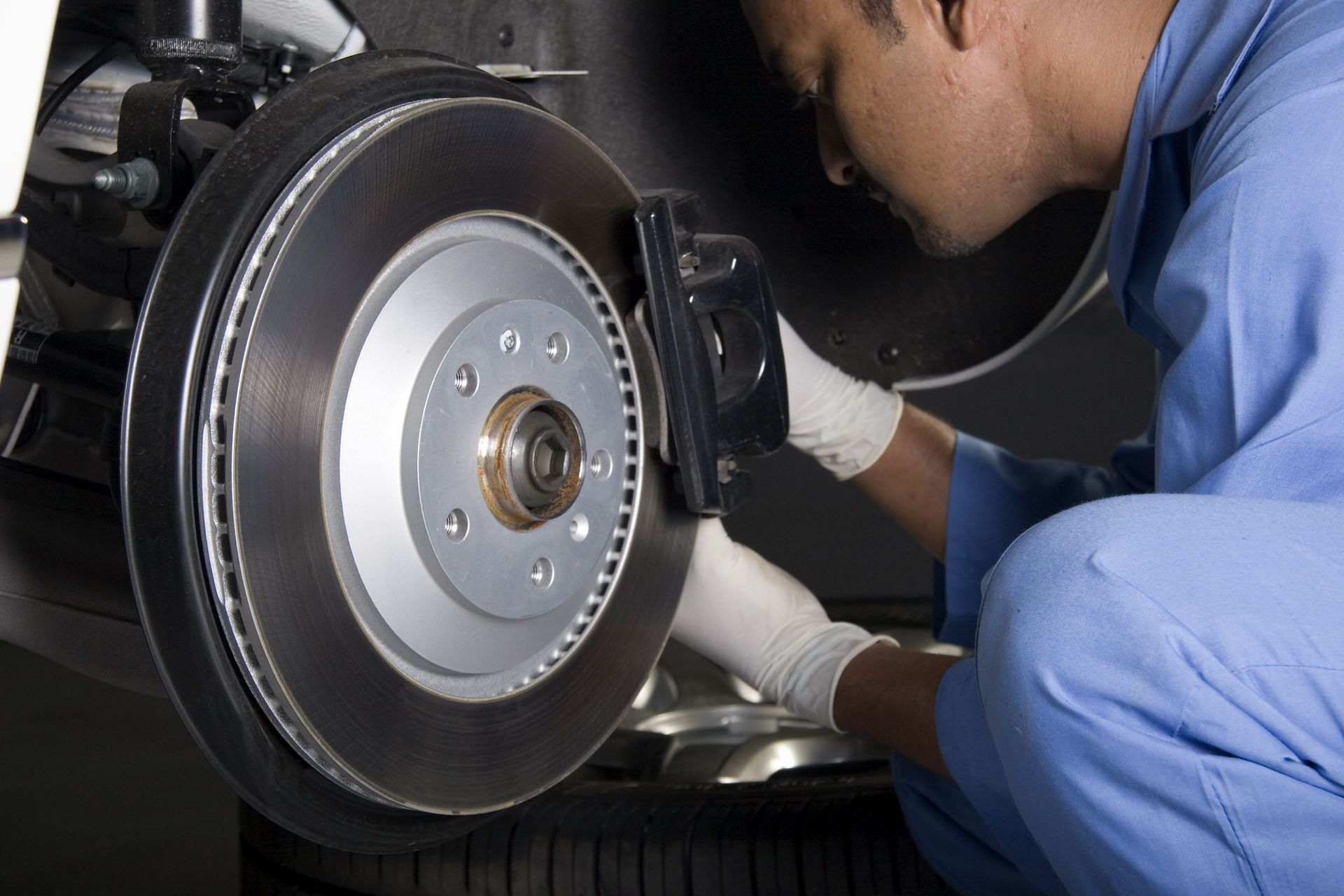
Brake and suspension systems have important roles in vehicle control and road performance. Symptoms such as unusual noises, pulling, vibration, uneven wear, or changes in braking response can indicate that these systems require professional evaluation. Technicians can inspect relevant components to determine whether wear or damage is present. The appropriate repair depends on what the inspection reveals.
An auto repair shop can also evaluate related components when addressing braking or suspension concerns. Problems in one area can sometimes affect how other components perform. Looking at the system as a whole helps technicians determine the appropriate scope of service. This comprehensive approach can support more consistent vehicle performance.
Evaluating Engine and Transmission Systems
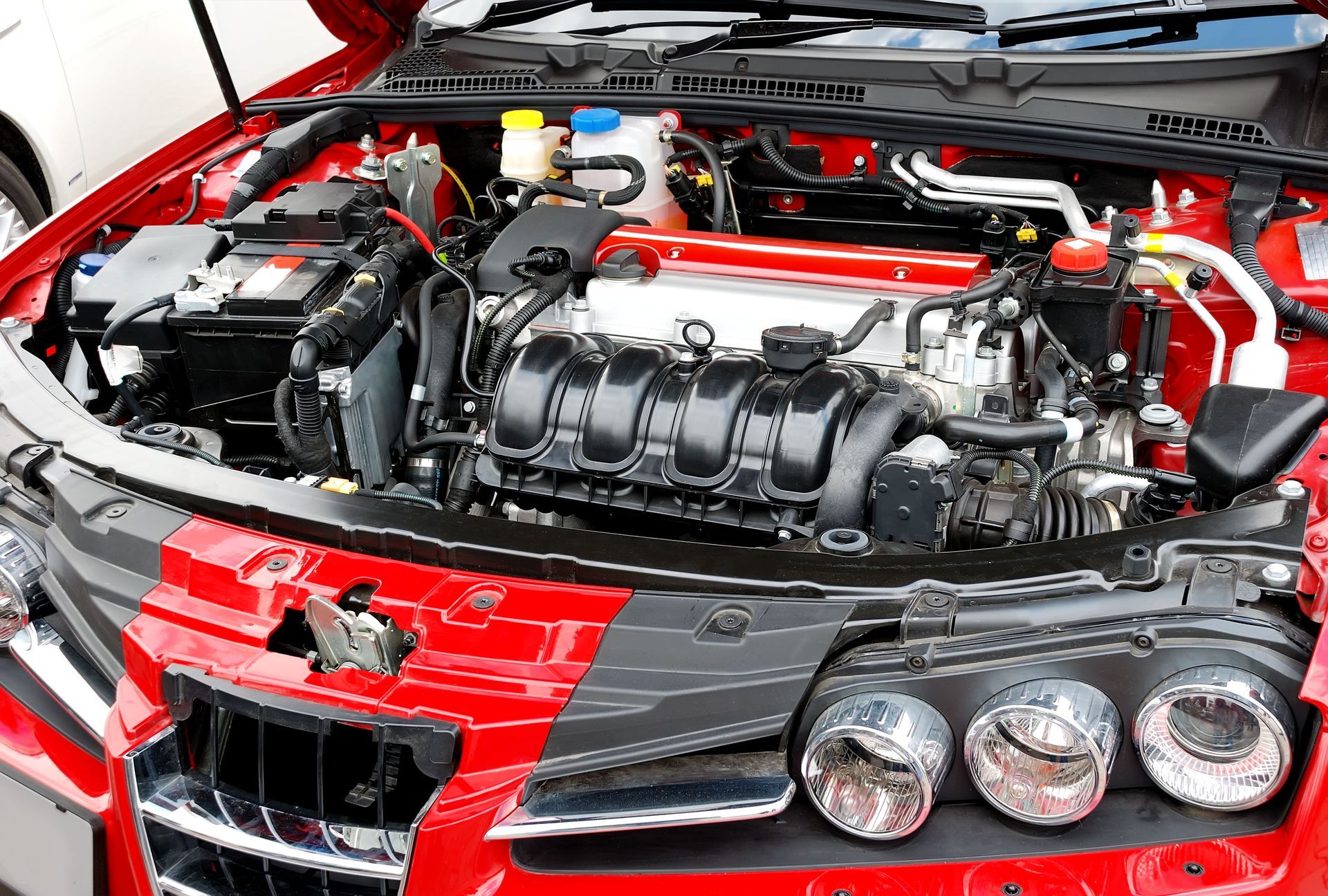
Engine and transmission problems can affect acceleration, shifting, fuel efficiency, and overall drivability. Symptoms may include unusual sounds, fluid leaks, hesitation, rough operation, or changes in shifting behavior. These concerns can have multiple possible causes, making professional diagnosis important. Technicians can evaluate the relevant systems and determine what is contributing to the symptoms.
Engine and transmission service can range from addressing a specific component to performing more extensive repairs. The correct approach depends on the vehicle's condition and the findings from diagnostic testing. An auto repair shop can explain the available repair path based on the actual problem. This helps vehicle owners understand what is involved in restoring the affected system.
Using Modern Diagnostic Technology
Modern vehicles rely on increasingly complex electrical and computer-controlled systems. Diagnostic equipment can provide technicians with information about vehicle systems that may not be apparent through a visual inspection alone. Professional repair facilities use appropriate technology alongside hands-on evaluation to investigate vehicle concerns. This combination can make the diagnostic process more precise.
Technology is particularly relevant as vehicles incorporate more electronic components and integrated control systems. Sensors, modules, communication networks, and computerized systems can influence many aspects of vehicle operation. Technicians need to understand how these components interact when diagnosing a problem. A modern auto repair shop can combine diagnostic technology with mechanical knowledge to evaluate these systems.
Providing Clear Service Recommendations
After diagnosis, technicians can organize their findings into practical recommendations. Some repairs may address an immediate operating concern, while other observations may relate to maintenance or components showing signs of wear. Separating these issues can help vehicle owners understand which services are associated with the primary problem. It can also make future maintenance planning more manageable.
Recommendations should reflect the vehicle's actual condition and the purpose of the proposed service. Technicians can explain why a repair is being recommended and what system it affects. Vehicle owners can then consider the information when determining how to proceed. Clear recommendations support better communication between the customer and the repair team.
Completing Repairs With Care
Once the necessary services are approved, technicians can begin the repair process. The work may involve replacing components, repairing systems, adjusting equipment, or performing other services based on the diagnostic findings. Professional technicians follow appropriate procedures for the vehicle and the specific repair. Attention to the details of the work helps support reliable operation after service is completed.
The repair process can also include inspections of related components. Technicians may verify that connected systems are functioning appropriately after the primary repair. This can help identify issues that could affect the completed work. An
auto repair shop that approaches repairs systematically can provide a more comprehensive service experience.
Understanding the Automotive Repair Industry
Professional automotive repair is a significant part of the U.S. service economy. According to IBISWorld, the U.S. auto mechanics industry is projected to have a market size of approximately $92.1 billion in 2026. This substantial market reflects the continuing need for maintenance, diagnostics, and repairs across a large vehicle population. As vehicles become more technologically advanced, professional automotive service continues to involve both traditional mechanical expertise and modern diagnostic capabilities.
If your vehicle needs maintenance, diagnostics, repairs, or performance-related service, our team is ready to help. We can evaluate your vehicle and discuss the appropriate next steps based on our findings. Contact OCD Fab & Performance to schedule service and learn how our team can help keep your vehicle operating at its best.