November 1, 2026
A vehicle's braking system plays an essential role in maintaining control, responding to changing road conditions, and protecting drivers and passengers. Although brakes are designed to withstand repeated use, their components gradually experience wear from friction, heat, moisture, and everyday driving demands. When maintenance is postponed, minor problems can develop into more extensive mechanical issues that require expensive repairs. Preventive brake service helps drivers identify developing concerns, maintain reliable stopping performance, and address worn components before they affect other parts of the braking system. Rather than waiting for unusual noises or reduced braking performance, scheduling routine inspections and maintenance can help vehicle owners manage repair expenses more effectively. Understanding how preventive care protects individual braking components can make it easier to recognize the financial benefits of maintaining this important vehicle system.
Identifying Brake Pad Wear Before Additional Damage Occurs
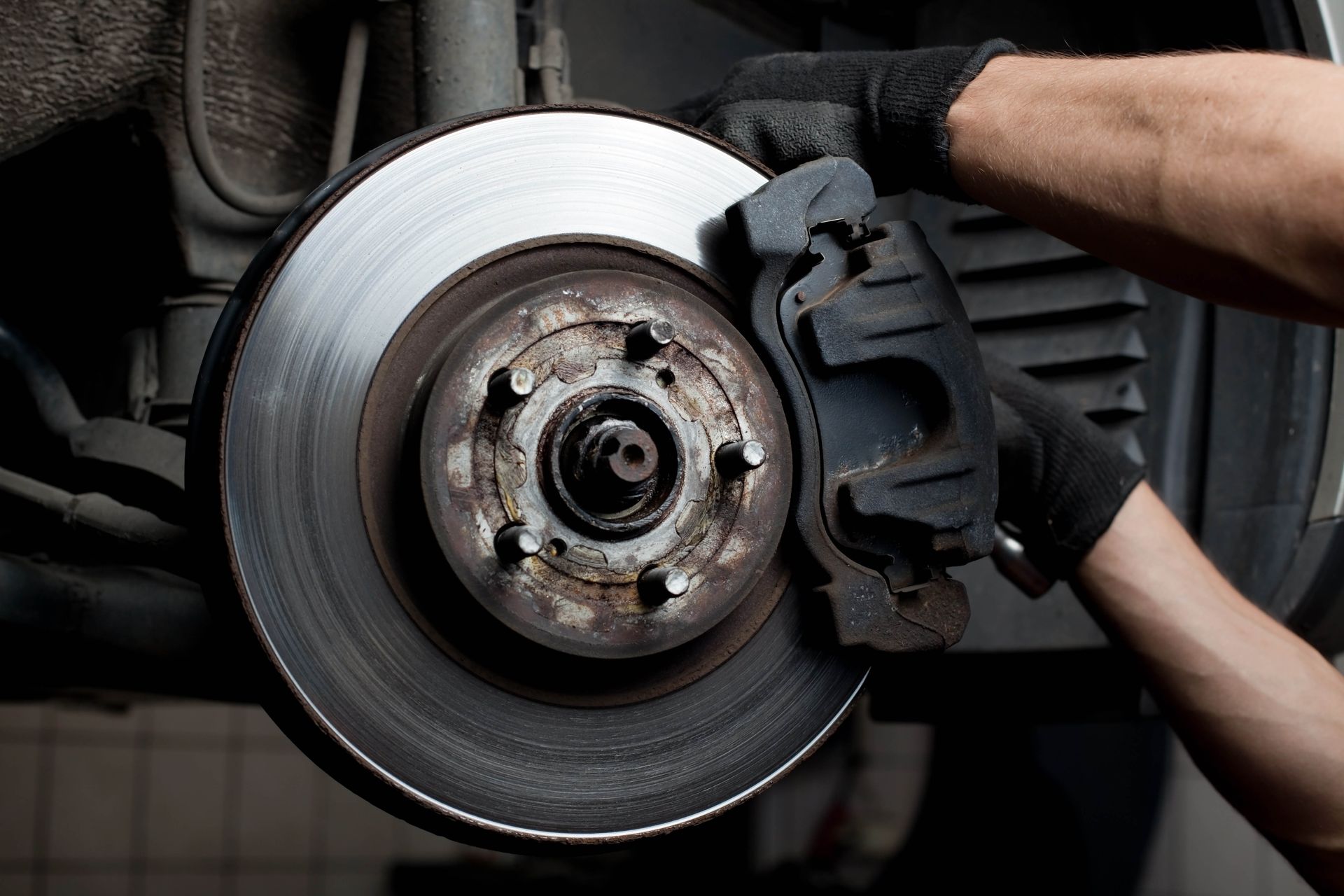
Brake pads create friction against rotors, allowing a vehicle to slow down or stop. Each time the brakes are applied, a small amount of friction material wears away. Eventually, pads become too thin to function as intended. When drivers continue using severely worn pads, metal backing plates may contact the rotors directly. This metal-on-metal contact can create deep grooves, excessive heat, and damage that requires more than a straightforward pad replacement.
Routine inspections allow technicians to measure remaining pad material and determine when replacement is appropriate. Addressing worn pads early can help preserve rotors and reduce the likelihood of replacing multiple components simultaneously. Professional brake service also provides an opportunity to examine whether pads are wearing evenly. Uneven wear may indicate additional concerns involving calipers, hardware, or other components that should be investigated before they cause further damage.
Protecting Brake Rotors From Excessive Wear
Brake rotors provide the surfaces against which pads generate friction. These metal discs withstand substantial pressure and heat during normal operation. Over time, repeated braking, uneven pad contact, corrosion, and excessive temperatures can affect rotor condition. Drivers may notice vibrations, pulsation through the brake pedal, or unusual sounds when braking. Although these symptoms can have several causes, they may indicate rotor problems that deserve professional evaluation.
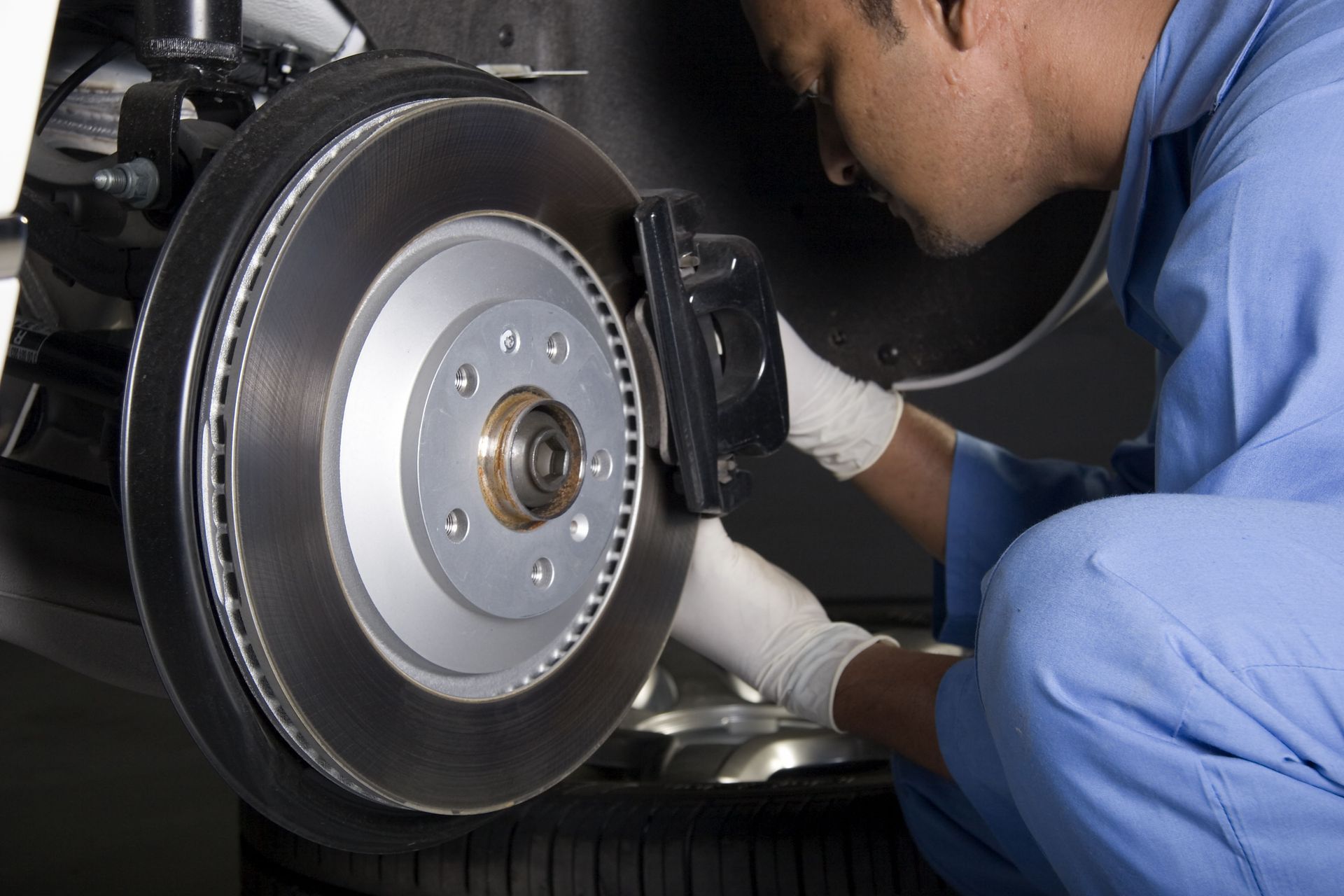
Preventive maintenance helps technicians identify rotor wear before it becomes severe. During an inspection, professionals can examine rotor surfaces, measure thickness, and evaluate whether components remain within manufacturer specifications. Depending on their condition, some rotors may be suitable for resurfacing, while others require replacement. Addressing developing problems promptly can help drivers avoid additional damage and unnecessary expenses. Maintaining properly functioning pads and calipers also reduces the likelihood of uneven rotor wear.
Preventing Brake Caliper Problems From Escalating
Brake calipers hold pads and apply pressure against rotors when the driver presses the pedal. Their pistons and sliding components must move correctly to maintain consistent braking performance. Corrosion, damaged seals, deteriorated hardware, or insufficient lubrication can interfere with this movement. A sticking caliper may cause one pad to remain in contact with the rotor, creating excessive friction and heat. This condition can accelerate component wear and potentially affect vehicle handling.
During preventive brake service, technicians can inspect calipers, evaluate their movement, and examine associated hardware for deterioration. Appropriate maintenance may include cleaning and lubricating specified components or replacing damaged parts. Identifying a sticking caliper early can help prevent premature pad and rotor replacement. It may also reduce the risk of overheating that can damage surrounding components. Addressing these concerns before they become severe helps keep repair work manageable and supports consistent braking performance.
Maintaining Brake Fluid for Reliable Hydraulic Performance
Most passenger vehicles use hydraulic braking systems that rely on brake fluid to transfer pressure from the pedal to the braking components. Over time, fluid can absorb moisture, reducing its boiling point and contributing to corrosion within the hydraulic system. Contaminated or deteriorated fluid can affect braking performance, particularly under demanding conditions that generate substantial heat. Internal corrosion may also damage components such as brake lines, calipers, and the master cylinder.
Following manufacturer recommendations for fluid inspections and replacement helps protect the hydraulic system. During brake service, technicians can evaluate fluid condition, check for leaks, and determine whether maintenance is necessary. Replacing fluid at appropriate intervals may help limit moisture-related deterioration and protect expensive hydraulic components. Preventive attention is especially important because internal corrosion may develop without obvious external symptoms. Maintaining the hydraulic system can help drivers avoid complicated repairs involving multiple interconnected parts.
Reducing Repair Costs Through Routine Inspections
Waiting until a braking problem becomes obvious can increase the likelihood of needing several repairs at once. A worn pad may eventually damage a rotor, while a sticking caliper can accelerate wear across multiple components. Routine inspections provide opportunities to identify these issues individually and address them before additional damage develops. According to Wifitalents, brake-related issues account for 22% of all repairs performed at mechanic shops. This statistic highlights how frequently braking systems require professional attention and reinforces the importance of monitoring their condition.
Scheduling brake service at appropriate intervals can make maintenance expenses more predictable. Rather than facing an unexpected repair involving several damaged components, drivers may be able to plan for routine replacements based on inspection findings. Technicians can explain which concerns require immediate attention and which components can continue operating safely. This information helps vehicle owners prioritize necessary work, understand potential expenses, and make informed decisions about maintaining their vehicles.
Extending Component Lifespan Through Proper Maintenance
Braking components work together, meaning the condition of one part can influence the performance and longevity of others. Pads that wear unevenly may place additional stress on rotors, while malfunctioning calipers can generate excessive heat. Poorly maintained hardware can interfere with proper pad movement. When these conditions remain unaddressed, otherwise functional components may deteriorate sooner than expected. Maintaining the complete system helps reduce unnecessary wear and supports more consistent operation.
Preventive brake service allows technicians to evaluate how individual components interact rather than focusing exclusively on obvious symptoms. Proper cleaning, lubrication where specified, component replacement, and inspections can help maintain normal braking operation. Drivers can support component longevity by avoiding unnecessary hard braking, maintaining appropriate following distances, and addressing unusual sounds promptly. Although every braking system eventually requires replacement parts, consistent maintenance can help prevent avoidable damage and extend the useful life of components.
Avoiding Emergency Repairs Through Early Intervention
Unexpected brake problems can create expenses beyond replacement parts and labor. A vehicle that cannot be driven safely may require towing, alternative transportation, or changes to work and personal schedules. Emergency repairs can limit the time available to compare service options or plan for expenses. Warning signs such as grinding noises, a soft pedal, pulling during braking, or increased stopping distances should never be ignored because they may indicate developing mechanical problems.
Regular brake service appointments create opportunities to identify potential failures before they disrupt everyday transportation. Technicians can assess braking performance, inspect vulnerable components, and recommend repairs based on the vehicle's condition. Drivers should pay attention to changes between scheduled visits and arrange prompt evaluations when unusual symptoms appear. Taking action early can help reduce the likelihood of unexpected breakdowns, protect surrounding components, and prevent manageable maintenance concerns from becoming expensive emergencies.
Preventive braking maintenance offers important benefits for vehicle safety, mechanical reliability, and long-term repair expenses. Identifying worn pads, protecting rotors, maintaining hydraulic components, and addressing caliper problems can help prevent damage from spreading throughout the system. Routine inspections give drivers opportunities to plan maintenance expenses and respond to developing concerns before they require emergency attention. Although normal wear cannot be eliminated, professional brake service can help reduce avoidable repairs and support dependable vehicle performance. Staying attentive to warning signs and following appropriate maintenance recommendations allows vehicle owners to make informed decisions about their braking systems. For professional assistance with maintaining your vehicle's braking components and addressing potential problems before they become costly, contact OCD Fab & Performance today.