July 30, 2026
Automotive technology continues to advance rapidly, making modern vehicles more complex than ever before. When a driver notices a lag in acceleration, unusual engine noises, or a sudden drop in fuel efficiency, finding the root cause requires specialized equipment and extensive technical expertise. Professional facilities rely on an array of sophisticated strategies to identify underlying mechanical and electronic issues before they lead to severe system failures. Through structured evaluations, skilled technicians isolate precise failures across complex systems to restore peak performance and safeguard passenger security on the road.
Beyond identifying immediate defects, routine maintenance provided by professional facilities remains essential for preserving vehicle value and operational safety. Systematic inspections help prevent minor component wear from escalating into massive mechanical damage over time. Comprehensive service plans address every major system, including the drivetrain, suspension, and braking network. By relying on experienced mechanics, car owners ensure that their vehicles continue to run efficiently, handle predictably, and remain reliable throughout years of daily operation.
Utilizing On Board Diagnostics and Testing Methods
Modern vehicle evaluation relies heavily on computerized scanning systems to pinpoint performance flaws. Advanced diagnostic tools connect directly to the internal computer of a vehicle to extract error codes and operational data. These electronic scans allow mechanics to monitor real-time metrics such as air-to-fuel ratios, ignition timing, and sensor outputs. By analyzing these digital readouts, auto repair shops can quickly identify hidden system faults that might not show physical symptoms during standard operations.
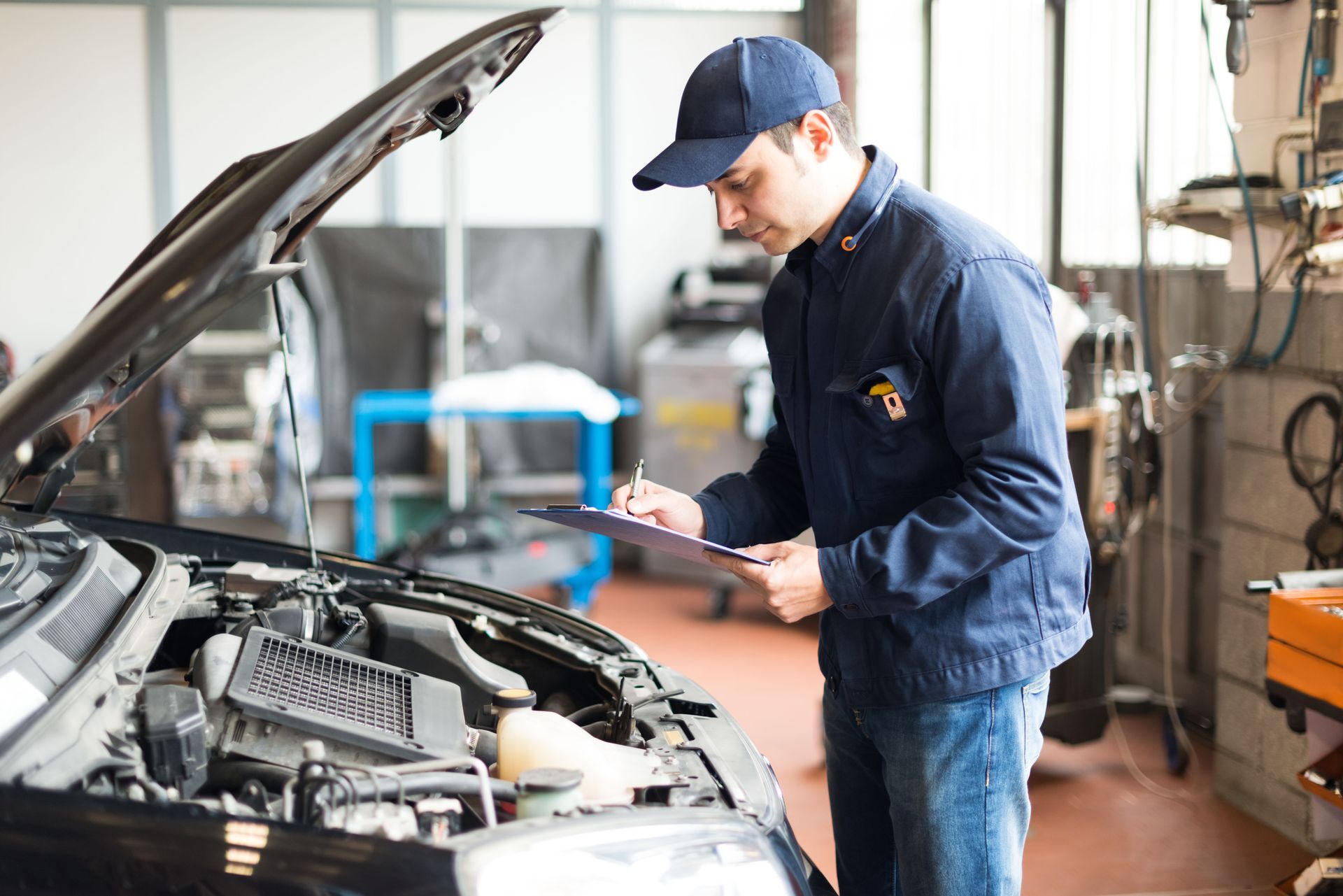
Physical inspections complement these computerized tests to provide an accurate assessment of overall vehicle health. Technicians perform thorough visual evaluations of internal belts, flexible hoses, fluid levels, and structural components to catch mechanical wear early. Dynamic road tests further allow mechanics to experience handling anomalies, unusual vibrations, and shifting issues under actual driving conditions. Combining electronic diagnostic software with practical mechanical checks ensures that no underlying issue goes unnoticed during service evaluations.
Addressing Engine Performance Issues and Fuel Delivery
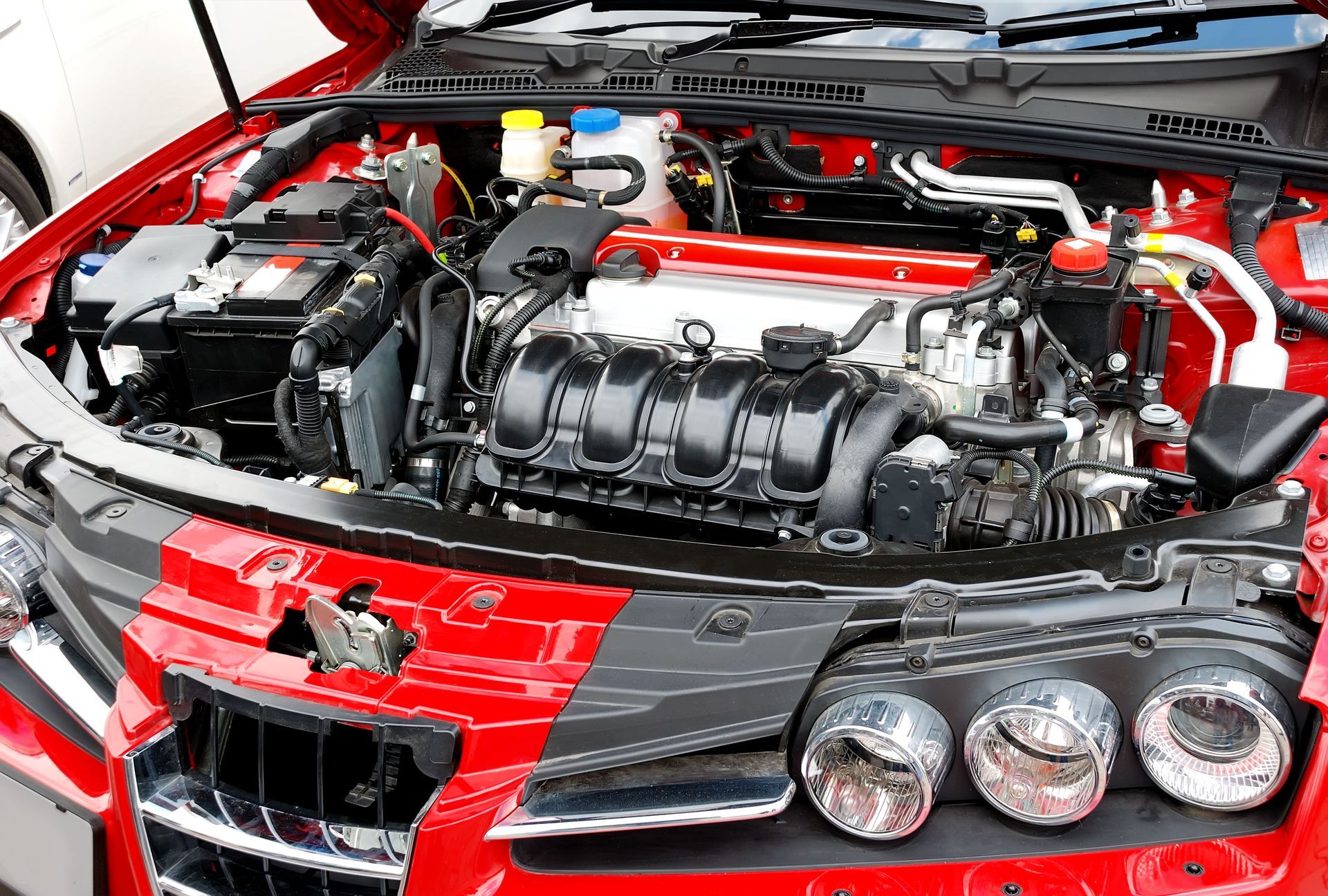
Engine hesitation and reduced power output often stem from restricted fuel flow or improper ignition timing. Technicians evaluate fuel injectors, pressure regulators, and supply lines to ensure proper fuel delivery to the combustion chambers. Dirty injectors or clogged fuel filters restrict necessary flow, leading to poor acceleration and increased fuel consumption. Clearing these obstructions restores proper combustion balances, allowing the engine to generate optimal horsepower while maintaining expected fuel economy standards.
Ignition and air intake systems require parallel attention to support clean and reliable engine power. Worn spark plugs, faulty ignition coils, and clogged air filters prevent efficient fuel burning, which frequently leads to engine misfires and rough idling. Regular maintenance is crucial, as it can prevent major issues and prolong the life expectancy of vehicles. According to Gitnux, approximately 60% of auto repairs are performed on vehicles over 5 years old, emphasizing the need for regular check-ups and timely repairs.
Handling Transmission Troubles and Power Transfer
Smooth gear transitions are essential for maintaining vehicle momentum and preventing internal drivetrain damage. Transmission systems depend heavily on clean hydraulic fluid to manage operating temperatures and engage gear sets smoothly. Over time, heat and mechanical friction degrade this fluid, leading to slippage, harsh shifting, or delayed gear engagement. Technicians inspect fluid clarity and fluid levels to prevent severe friction damage within the intricate gear assemblies.
Electronic sensors and control modules actively regulate modern automatic transmissions to optimize shift points. When these sensors fail, the control module may trigger erratic gear changes or force the system into a protective operating mode. Skilled mechanics utilize specialized equipment to test electronic solenoids and sensor outputs within the transmission housing. Resolving these control issues promptly prevents severe mechanical wear and ensures smooth, efficient power transfer from the engine to the drive wheels.
Resolving Suspension and Steering Solutions
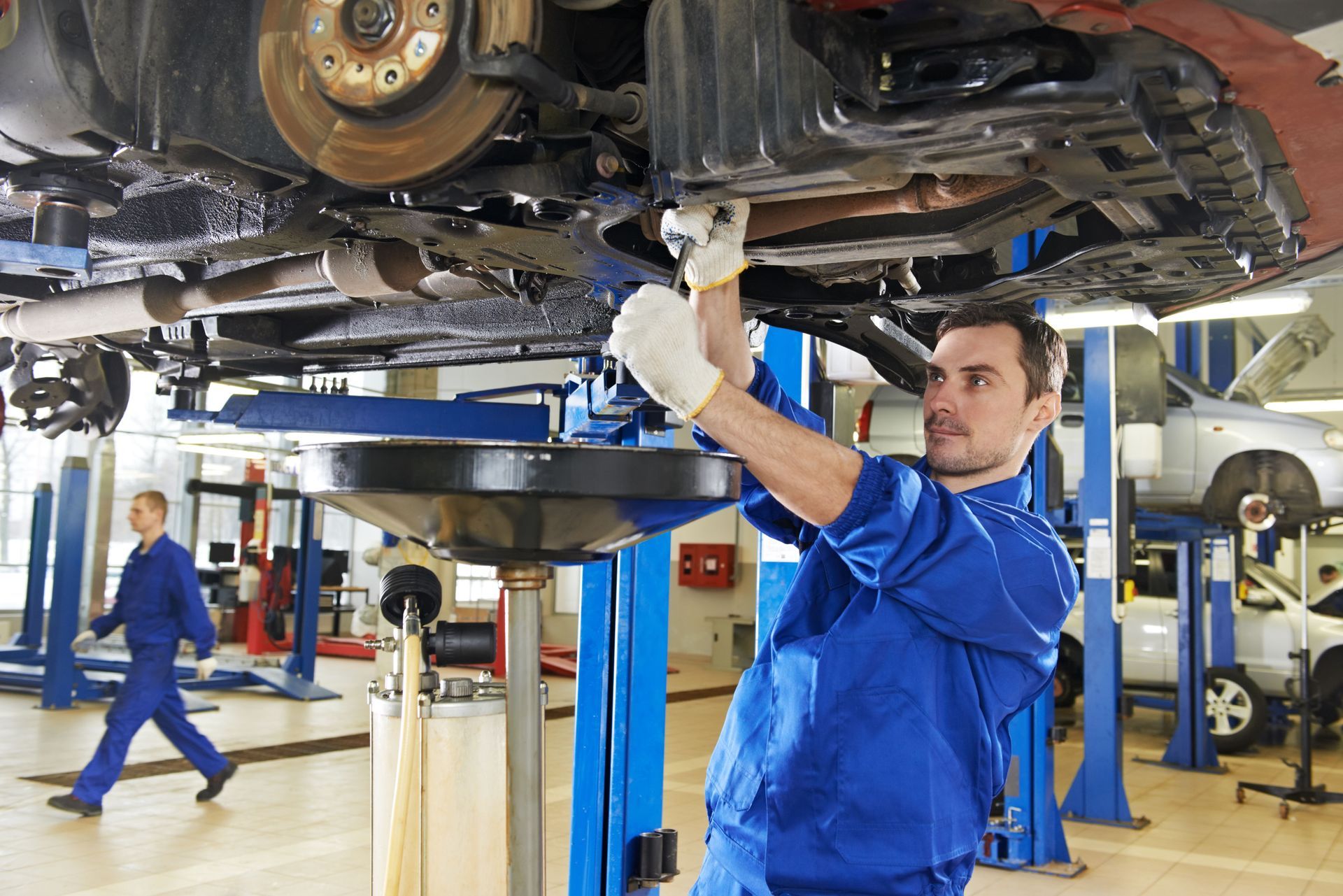
A properly aligned suspension system is essential for maintaining vehicle stability, tire longevity, and driver control. Worn shock absorbers, struts, and worn bushings cause excessive body roll, uneven tire wear, and harsh ride quality over rough road surfaces. Technicians perform detailed undercarriage inspections to identify loose joints, leaking hydraulic dampeners, and compromised structural links. Replacing these damaged components restores original handling dynamics and keeps tires firmly planted on the road.
Steering precision relies on balanced hydraulic or electronic power steering systems functioning without interruption. Fluid leaks, loose tie rods, or failing steering racks cause steering wheel vibrations and imprecise directional response. Auto repair shops utilize precision alignment machinery to restore factory wheel geometry, eliminating steering pull and preventing premature tire degradation. Maintaining these steering components ensures that the vehicle responds predictably and safely to driver inputs under all conditions.
Improving Brake System Performance and Efficiency
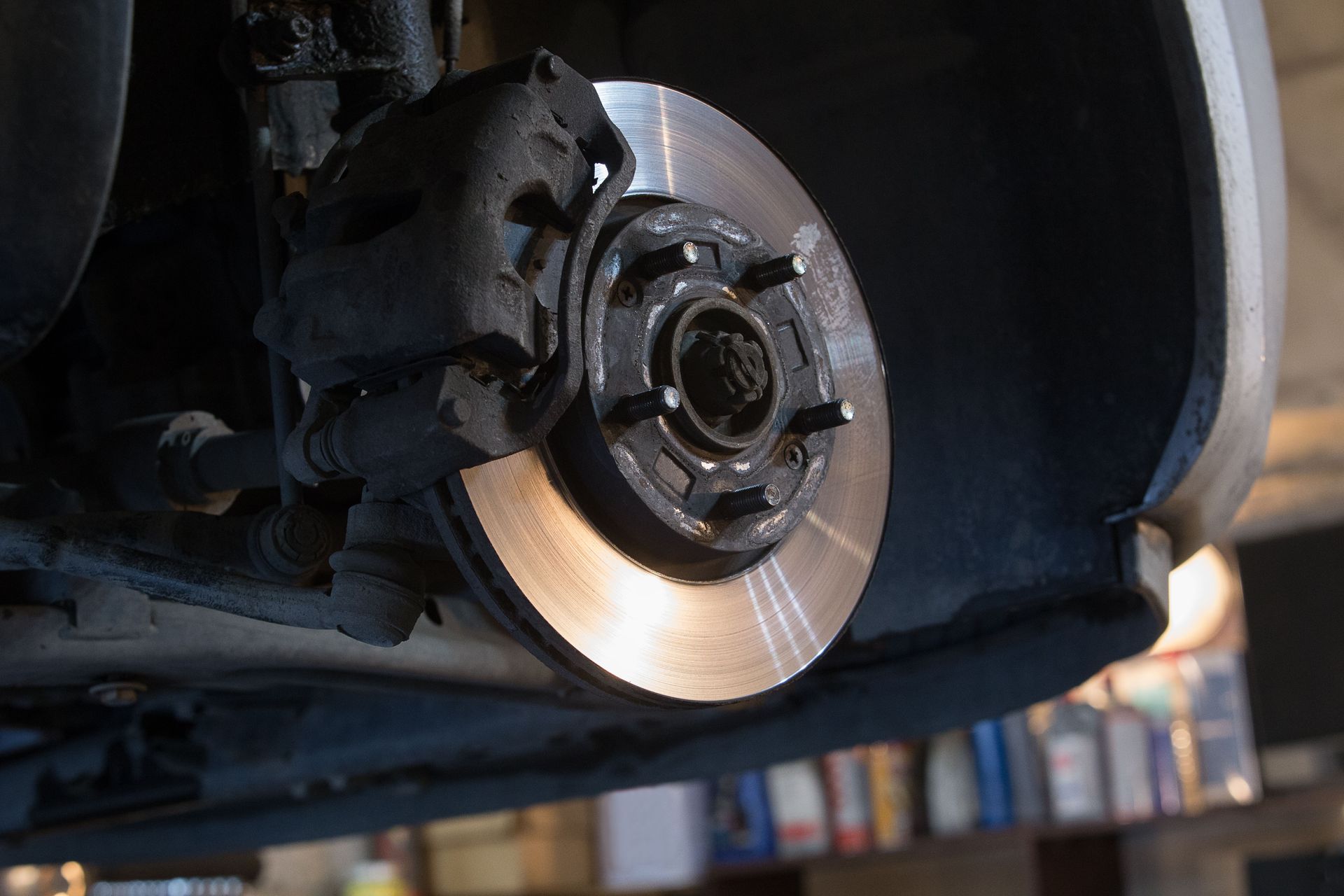
Braking safety requires continuous monitoring of friction materials, hydraulic lines, and electronic safety systems. Brake pads and rotors naturally wear down over time, resulting in decreased stopping power, longer stopping distances, and unpleasant squealing or grinding noises. Mechanics measure pad thickness and rotor surface integrity to determine when replacements are necessary. Fresh friction components restore original stopping capabilities, giving drivers full confidence during sudden stops or emergency maneuvers.
Hydraulic brake fluid attracts atmospheric moisture over time, which lowers its boiling point and reduces pedal firmness. Technicians flush contaminated fluid from the lines to restore firm pedal feel and prevent internal corrosion within calipers and master cylinders. Additionally, electronic systems like anti-lock brakes require periodic sensor checks to ensure proper operation during panic stops. Maintaining every component of the braking system ensures consistent, dependable stopping performance in diverse driving conditions.
Enhancing Fuel Efficiency and System Health
Maximizing fuel economy requires a comprehensive approach that combines engine tuning with proper rolling resistance management. Under-inflated tires significantly increase rolling resistance, forcing the engine to consume more fuel to maintain highway speeds. Technicians check tire pressures, inspect tread patterns, and perform precision wheel balancing during routine checkups. Eliminating unnecessary rolling drag allows the vehicle to travel further on every gallon of fuel, reducing long-term operating costs. Proper maintenance in these areas helps ensure that every component works together seamlessly to minimize strain on the powertrain.
Regular engine oil changes also play a vital role in maintaining high fuel efficiency standards. Fresh engine oil minimizes internal sliding friction, allowing moving parts to rotate freely without wasting energy. Inspecting aerodynamic panels and sealing minor fuel line leaks further preserves efficient operation. By addressing these minor efficiency losses during routine visits, auto repair shops help drivers optimize overall fuel mileage while reducing unnecessary wear on critical engine assemblies. Routine upkeep keeps your engine clean and lowers overall operating expenses across the lifespan of the automobile.
Choosing Reliable Care for Vehicle Longevity
Addressing complex automotive issues promptly prevents minor mechanical flaws from causing major secondary damage. Professional care relies on a combination of digital diagnostics, mechanical inspections, and precise repairs to keep vehicles running safely and efficiently. Utilizing systematic evaluations across every primary system allows mechanics to pinpoint failures quickly, saving car owners valuable time and money while preserving overall vehicle dependability over many years of driving. Preventative care minimizes unexpected breakdowns and helps maintain maximum resale value over time.
Maintaining peak vehicle performance requires a commitment to routine checkups and qualified professional care. Drivers seeking dependable service, accurate diagnostics, and long-term reliability for their vehicles can rely on the expert technicians at OCD Fab & Performance to deliver exceptional automotive care for every make and model. Establishing a partnership with experienced
auto repair shops ensures that every vehicle stays safe, efficient, and ready for the road ahead. Scheduling regular inspections today protects your investment and provides peace of mind for every journey.